Small Bathroom Ideas: Space-Saving Solutions
Smart small bathroom ideas to maximize space, storage, lighting, and style.
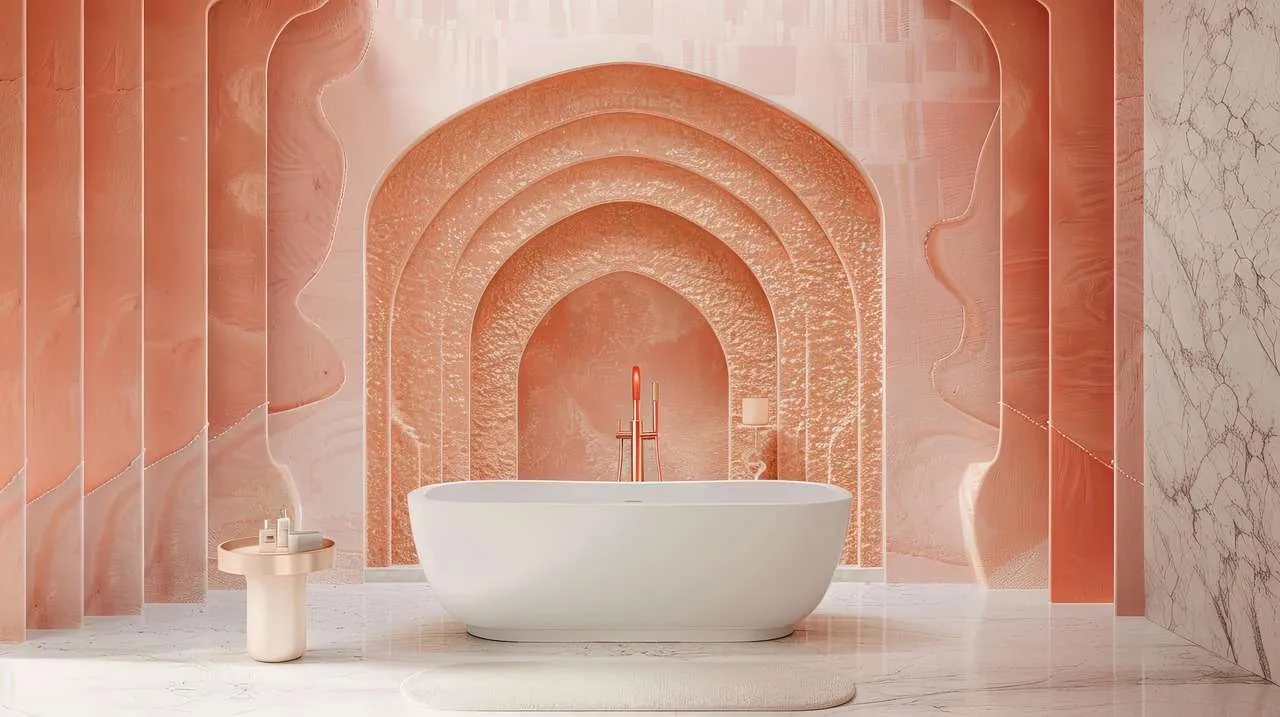
Small bathrooms demand precise planning and clever design. With the right approach, a compact bath can feel spacious, bright, and comfortable. In this guide, a design and SEO professional shares practical steps, product suggestions, and maintenance tips that stand up to daily use while improving your home's value. The focus is on solutions that maximize visual space, optimize storage, and create a calm, easy-to-clean environment.
Smart layout and space planning
Start with measurements and clearances. In most homes, a wall-hung or floating vanity adds under-vanity storage without swallowing floor area. A corner shower or neo-angle enclosure can open up room by eliminating wide curb stones. If the doorway swings inside the bath, replace it with a pocket door to reclaim several inches for a taller vanity or narrow toilet. Use vertical space for shelves above the toilet or a slim medicine cabinet to keep counters free.
Storage solutions that free floor space
- Recessed niches in the shower wall to hold shampoo and soap; keeps bottles off the floor.
- Recessed medicine cabinet or mirrored vanity that houses daily essentials.
- Tall, slim cabinetry or ladder-style storage to utilize vertical space.
- Pull-out organizers inside vanity drawers for small items.
- Over-the-door hooks or rails for towels and robes.
Mirrored and recessed storage
A mirrored cabinet reflects light and expands the perceived space; recessed units avoid protruding surfaces, reducing bump hazards.
Fixtures and finishes for compact bathrooms
Choose a wall-hung toilet or compact round bowl. A slim-profile vanity with integrated sink saves space. A corner shower with glass enclosure reduces visual bulk; choose a frameless glass for less weight in the room. If bathtubs are necessary for kids, consider a short soaking tub or a 60 cm unit with a shower head.
Shower options
Sliding doors or a curved curb can ease entry in tight baths. A minimum 800 mm x 800 mm shower is a common compromise; if space allows, expand to 900 × 900 mm for comfort.
Lighting and color strategies
Bright, neutral colors with reflective surfaces create the illusion of space. Use layered lighting: ambient ceiling light, task lights at the mirror, and a soft night-light. Opt for glass or acrylic shower enclosures that stay bright and easy to wipe down. Large or frosted mirrors bounce light across the room and reduce shadows that make small bathrooms feel cramped.
Budget, durability, and maintenance
Quality fixtures that resist moisture and heat last longer and reduce maintenance costs. Stainless steel hardware, heat-resistant countertops, and slip-resistant porcelain are good bets. Calculate cost per square foot and weigh long-term savings when choosing vanities, toilets, and showers. If you’re renovating on a tighter budget, prioritize storage and lighting upgrades as they deliver the most perceived space per dollar.
Comparison and quick-reference table
| Idea | Space impact | Pros | Cons | Typical cost |
|---|---|---|---|---|
| Wall-hung vanity | Lowers visual floor height | More floor space, easier cleaning | Can be pricey; wall support needed | $400–$2,000 |
| Pocket door | Gains door swing clearance | Maximizes width; seamless look | Requires wall modification | -$2,000 |
| Corner shower with glass | Keeps center path clear | Spacious feeling; minimal frame | Shower may be small | $800–$4,000 |
| Mirrored medicine cabinet | Specular reflection increases light | Storage + light | Requires wiring access | $100–$500 |
| Light-color palette | Perceived space expansion | Bright, clean look | May show dirt easier | Low-cost |
Finally, prioritize safety and accessibility as you design. Non-slip floors, rounded edges on fixtures, and adequate ventilation prevent accidents and mold growth, protecting your family and your investment.
Conclusion
Conclusion: By combining smart layout choices, clever storage, compact fixtures, and thoughtful lighting, small bathrooms become functional, appealing spaces rather than cramped corners. The ideas above offer actionable steps with real impact on daily use, resale value, and peace of mind.
Summary: This guide provides a practical framework—start with layout, maximize vertical and recessed storage, choose compact, wall-hung fixtures, and light your space effectively. Use the quick-reference table to compare ideas, then tailor selections to your budget and lifestyle for a small bathroom that feels larger and works better every day.