Home Window Tinting: Benefits, Types & Costs
Learn about home window tinting benefits, types, costs, and installation tips for comfort and energy savings.
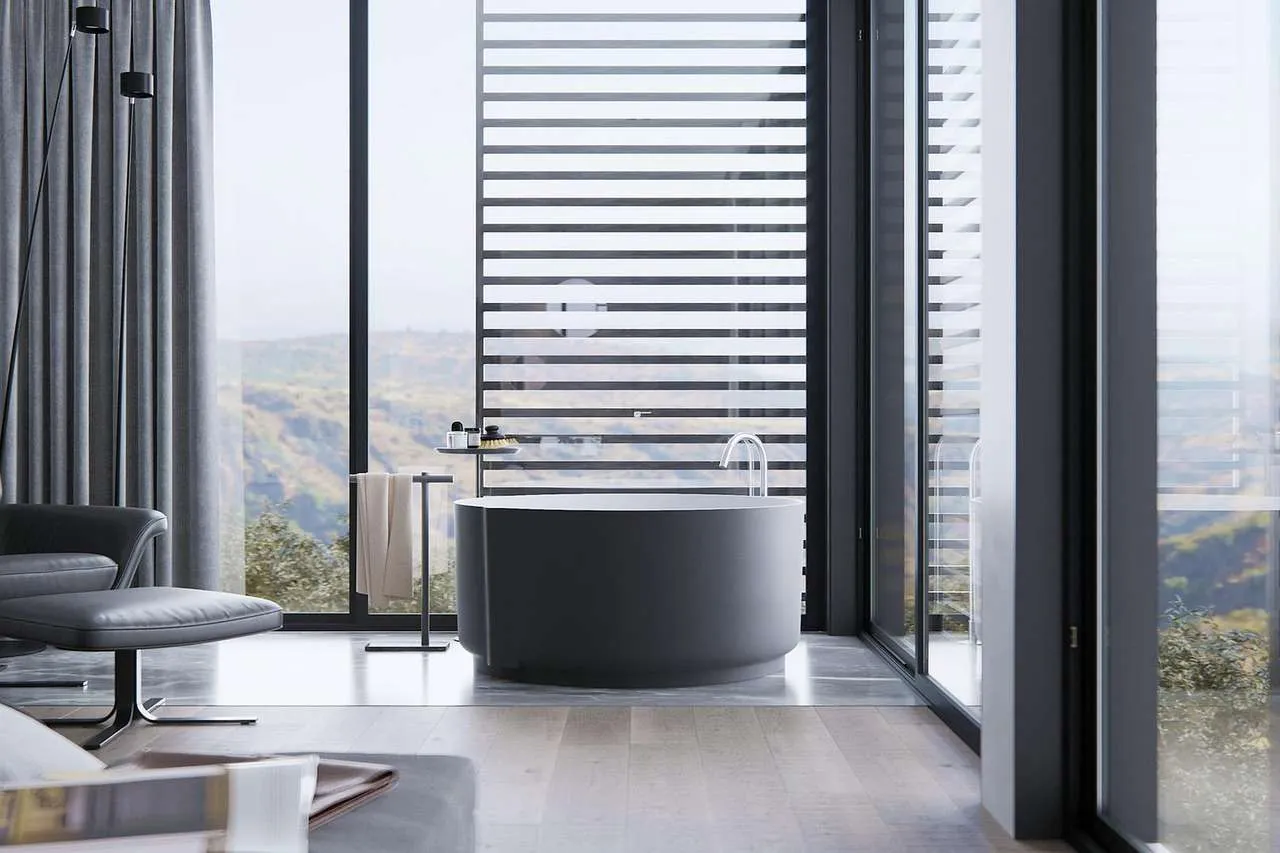
Home window tinting is a practical upgrade that helps regulate indoor temperature, reduce glare, protect interiors from sun damage, and improve privacy. Modern film technology makes both energy efficiency and comfort accessible for most homes. This guide explains the benefits, common tint options, how to choose the right film, installation considerations, and how to maintain tinted windows for lasting performance.
Why Home Window Tinting Matters
Many homes lose heat through large glass areas in winter and absorb excess heat in summer. A quality tint reduces solar gain by filtering UV and infrared light without significantly darkening spaces. The result is more stable indoor temperatures, lower cooling costs, and less fading of furniture and flooring.
Beyond energy savings, tinting can curb glare on screens, enhance privacy during daytime, and shield occupants from harmful UV rays that can cause skin damage and fading. It also adds a layer of safety by holding shattered glass together in the event of impact.
How Tint Works and Common Types
Window films consist of multiple layers designed to reject heat and control visible light. The exact performance depends on the film materials, metal content, and coatings. There are several mainstream types used in residential settings.
Dyed Window Tint
Dyed films absorb heat and reduce glare by adding a colored dye layer. They are typically the most affordable option and can provide good privacy. However they may fade over time and offer lower UV rejection compared with newer technologies.
Metalized and Hybrid Tint
Metalized films incorporate metallic particles to reflect heat. They tend to offer strong heat rejection and glare control, but can interfere with certain electronics or create reflection on the exterior. Hybrid films combine dye and metal for a balance of performance and value.
Ceramic and Carbon Tints
Ceramic films use nonconductive particles that provide high heat rejection without reflecting light or interfering with electronics. Carbon films offer similar benefits with a darker appearance and strong UV protection. Both options are known for durability and long term performance.
Low-E and Solar Control Films
Low E coatings enhance energy performance by reflecting infrared while letting visible light pass. Solar control films focus on reducing solar heat gain and can be tuned for higher privacy if needed. These options are popular for large or southern facing windows.
Choosing the Right Tint for Your Home
Start by assessing climate and orientation. Homes in hot climates or with strong sun exposure benefit most from higher heat rejection, while frostier regions may prioritize UV protection and glare reduction. Consider the level of privacy you want during the day without making rooms feel closed at night.
Balance aesthetic preferences with performance. Ceramic and carbon films tend to retain color and resist fading, while dyed films offer a wider range of tones at a lower price. Check local rules and HOA guidelines that may limit tint darkness on street facing windows.
Cost, Installation, and Maintenance
Professional installation yields consistent results and reliable warranties, typically ranging from 5 to 15 years depending on the film and manufacturer. Expect prices to vary with window size, number of panes, and the film type. Homeowners usually pay per square foot or per window, with typical ranges from a few dollars per square foot for basic dyed films to over 10 dollars per square foot for premium ceramic or carbon options.
Maintenance is straightforward. Use a soft cloth and mild soap to clean tinted panes, avoiding abrasive cleaners that can scratch or dull the film. Do not attempt do it yourself if your window warranties restrict professional installation, as improper film application can peel or bubble over time.
Comparison of Tint Types
| Tint Type | Heat Rejection | UV Rejection | Visible Light Transmission VLT | Privacy | Durability | Typical Cost Range |
|---|---|---|---|---|---|---|
| Dyed | Moderate | High | 55–75% | Low to Moderate | Moderate | 2–6 $/sq ft |
| Metalized/Hybrid | High | Very High | 35–60% | High | Good to Very Good | 6–9 $/sq ft |
| Ceramic | High | Very High | 40–70% | Moderate | Excellent | 8–12 $/sq ft |
| Carbon | High | Very High | 40–65% | Moderate to High | Excellent | 8–12 $/sq ft |
When evaluating options, request third party tests or certifications for UV rejection and check warranty terms. A reputable installer will explain tradeoffs between heat control, light entry, privacy needs, and cost, and help you select a film that fits your home and climate.
Maintenance and Safety Considerations
Keep an eye on edge lifting or bubbling during the first months after installation. Most issues occur if the surface is cleaned with harsh chemicals or abrasive tools. Routine cleaning with a non abrasive cloth and a mild soap solution keeps the film clear and reduces streaking. If you ever plan a major remodel or window replacement, discuss tinting options with your contractor to avoid removing or compromising existing film.
In addition, verify that the chosen film has a recognized warranty and check for any local regulations that limit tint darkness on ground level windows or bedroom windows. Transparent communication with installers builds trust and ensures EEAT principles are met, offering you an honest assessment of performance versus price.
Conclusion, home window tinting is a strategic upgrade that blends comfort, energy efficiency, and design. With the right film, proper installation, and careful maintenance, you can enjoy consistent indoor temperatures, lower utility costs, and improved interior aesthetics for years to come.
Summary: Home window tinting offers energy savings, UV protection, glare reduction, and increased privacy. By choosing the right tint type, working with a qualified installer, and performing regular maintenance, you maximize value and comfort while protecting interiors from sun damage.